

Piano Transcription
Many students have no idea that transcription is actually an important part of their learning process. Instead, they see it as a writing assignment in music class and the goal is to get the final product down on paper. However, if educators really wanted students to gain the most from this practice they would stress that transcribing is not just about getting the right notes on a page but about the actual process of listening and learning by ear.
When starting out it is best to stick with simple songs and gradually work up to more complex pieces. It’s also essential to find a quiet place where you won’t be distracted. Having a high quality recording is crucial to make sure that you can hear all of the elements of the piece well.
Once you’ve got the song on a recorder it’s time to start figuring out what each note means and how it relates to the chord progression that is being played underneath. This is when the process of transcribing starts to become truly beneficial. If you listen carefully to the chord changes you can figure out which fingerings will work for both hands and if they play well together. You can also check your transcription against the original recording to see if you’ve got everything right. If you discover that a lick you thought was cool only works over a four dominant seven chord you can easily change the key of your piece to something that will allow you to use that lick.
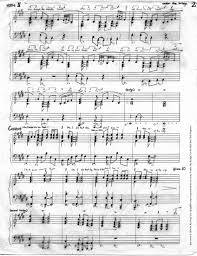
What Happens in Piano Transcription?
If you’re a beginner then it’s recommended that you start with the bass line as this is typically the easiest to pick out. Most transcription services have a feature that allows you to slow down the recording so that you can focus on hearing just one part at a time.
Once you have the bass line figured out then it’s time to start deducing what the other chords are being played over. This can be tricky as there may be more than one chord playing at the same time and you’ll need to use your ear to decide which ones are being played. If you don’t have a good enough ear then it’s worth using the EQ feature on your transcription service to remove the other frequencies and only leave the bass line.
This method is called a deduction because it is based on the idea that chord progressions usually move in a very predictable way. If you’re in the key of C major and there’s an E on the bass then it’s very likely that the next chord to be played is going to be a G (or Am or Dm) as these are the most common chords to be played over an E. This is a very powerful process for piano transcription and can save you a lot of time when trying to play along with recordings. The more you use this process the quicker and easier it will be to transcribe new songs and learn by ear.


