

conformal coating enhance Flexible printed circuit manufacturers
Conformal coating plays a significant role in enhancing the capabilities and reliability of flexible printed circuit (FPC) manufacturers by providing a protective barrier against environmental factors, moisture, chemicals, and mechanical stress. Conformal coating is a thin layer of material applied to the surface of FPCs to insulate and protect the underlying circuitry, components, and solder joints from corrosion, oxidation, and other forms of damage.
One way conformal coating enhances FPC manufacturers is by improving the durability and longevity of flexible circuits. FPCs are often used in applications where they are exposed to harsh operating conditions, such as high humidity, temperature fluctuations, vibration, and mechanical flexing. Conformal coatings act as a barrier, sealing the circuitry and preventing moisture ingress, which can lead to corrosion and electrical failures. By protecting sensitive components and interconnects from environmental damage, conformal coatings extend the lifespan of FPCs and enhance their reliability in demanding applications.
Moreover, conformal coatings enhance the performance of flexible printed circuit manufacturers by providing electrical insulation and preventing short circuits between adjacent conductive traces or components. Without proper insulation, FPCs may be susceptible to electrical leakage or arcing, especially in humid or corrosive environments. Conformal coatings help maintain electrical integrity and reduce the risk of electrical failures, ensuring consistent performance and functionality of electronic devices.
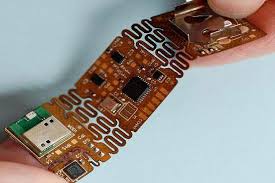
How does conformal coating enhance Flexible printed circuit manufacturers?
Another benefit of conformal coating for FPC manufacturers is the ability to customize the level of protection based on specific application requirements. Conformal coatings come in various formulations, including acrylics, silicones, urethanes, and epoxies, each offering unique properties such as flexibility, chemical resistance, and temperature stability. Manufacturers can select the most suitable coating material and application method to meet the performance, environmental, and regulatory standards of their target markets.
Furthermore, conformal coatings enhance the manufacturability of FPCs by providing a uniform and consistent protective layer over complex and irregular-shaped substrates. Unlike traditional enclosures or potting materials, conformal coatings can be applied thinly and precisely using techniques such as spray, dip, or brush coating, without adding significant weight or bulk to the finished product. This allows manufacturers to achieve compact and lightweight designs while ensuring comprehensive protection against external hazards.
In addition to environmental protection, conformal coatings offer aesthetic benefits by improving the appearance and finish of FPCs. Coatings can be tinted or clear, matte or glossy, depending on the desired aesthetic effect and visibility of the underlying circuitry. By enhancing the visual appeal of FPCs, conformal coatings contribute to the overall quality and perceived value of electronic devices, making them more attractive to end-users.
Moreover, conformal coatings facilitate compliance with industry standards and regulations governing the use of electronic components in various applications. Many industries, such as aerospace, automotive, medical, and military, have stringent requirements for reliability, safety, and performance. Conformal coatings help FPC manufacturers meet these standards by providing an additional layer of protection against environmental factors and ensuring the long-term reliability of their products.
In conclusion, conformal coating enhances the capabilities of flexible printed circuit manufacturers by providing durable protection, improving electrical performance, customizing levels of protection, enhancing manufacturability, offering aesthetic benefits, and facilitating compliance with industry standards. By incorporating conformal coatings into their manufacturing processes, FPC manufacturers can produce high-quality, reliable, and long-lasting circuitry solutions for a wide range of applications, from consumer electronics to industrial automation.


