

Designing Fixtures in SMT Assembly
Fixtures are essential to ensure accurate and efficient SMT assembly. They support the process by holding components in place and maintaining a consistent, high quality standard. They also help to minimize manual effort and increase productivity by allowing for quicker production. However, a poor fixture design can lead to defects and failures in the manufacturing process. To minimize these errors, manufacturers must use high-quality fixtures made from durable materials that can withstand the rigorous demands of SMT manufacturing processes.
SMT (Surface Mount Technology) assembly is a popular method of creating electronic devices. It is used in a wide range of industries, including consumer electronics, telecommunications, medical equipment, and industrial controls. The process involves attaching small, surface-mounted electronic components to a printed circuit board (PCB). A PCB is a thin piece of non-conductive material that serves as the base for a device’s electronic circuitry. The PCB is etched with copper traces that serve as the pathways for electrical current, and it is then populated with components using an automated pick-and-place machine.
Among the advantages of SMT assembly, it is more compact and space-efficient than traditional through hole technology (THT). Its smaller components allow more of them to be placed on a smt assembly, which reduces the size of the final product while still providing adequate functionality. Additionally, SMT components have shorter leads and paths, which improves performance in high-frequency applications.
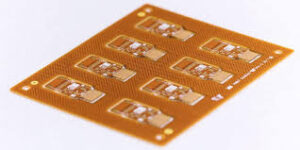
Key Considerations For Designing Fixtures in SMT Assembly
The assembly process typically consists of several steps, including solder paste printing, chip mounting, reflow soldering, and automated optical inspection (AOI) or X-ray inspection. To ensure a high-quality end-product, the components must be positioned accurately on the PCB and soldered properly. Solder paste printing is a critical step, as it ensures that there are sufficient quantities of high-quality solder for the assembly. It is crucial to maintain consistency in terms of solder paste volume and thickness, as well as alignment with the PCB pads.
A key consideration when designing a fixture is ensuring that it can be easily modified for different assembly requirements. This is important because it allows companies to respond quickly to changes in market demand and new product offerings. This also helps to lower costs by reducing the time and money needed for initial design, tooling, and prototyping.
Another key consideration for fixture design is ergonomics and operator safety. Ideally, the fixture should have a comfortable working height and be free of sharp edges or moving parts that could cause injury. It should also provide proper ventilation and lighting to minimize strain on operators.
SMT fixtures are becoming increasingly sophisticated and scalable as the manufacturing industry evolves. They are now being designed with 3D printing technology, which enables them to be more lightweight and flexible. This makes them easier to use, more versatile, and more cost-effective than manual tools. Moreover, the growing availability of SMT design software solutions is revolutionizing fixture engineering by making it faster and more efficient to create a wide variety of custom shapes. These advances have greatly benefited manufacturing processes across a range of industries that require precision and accuracy.


